Buying guide
Best Direct Drive Wheels for PC in 2026: 7 Bases Ranked
The Moza R9 V3 is the best direct drive wheel for most PC racers: 9 Nm covers everything short of esports-level setups at a fair price. Step up to the Moza R12 or Simagic Alpha Mini for more detail; the R5 is the budget entry point.
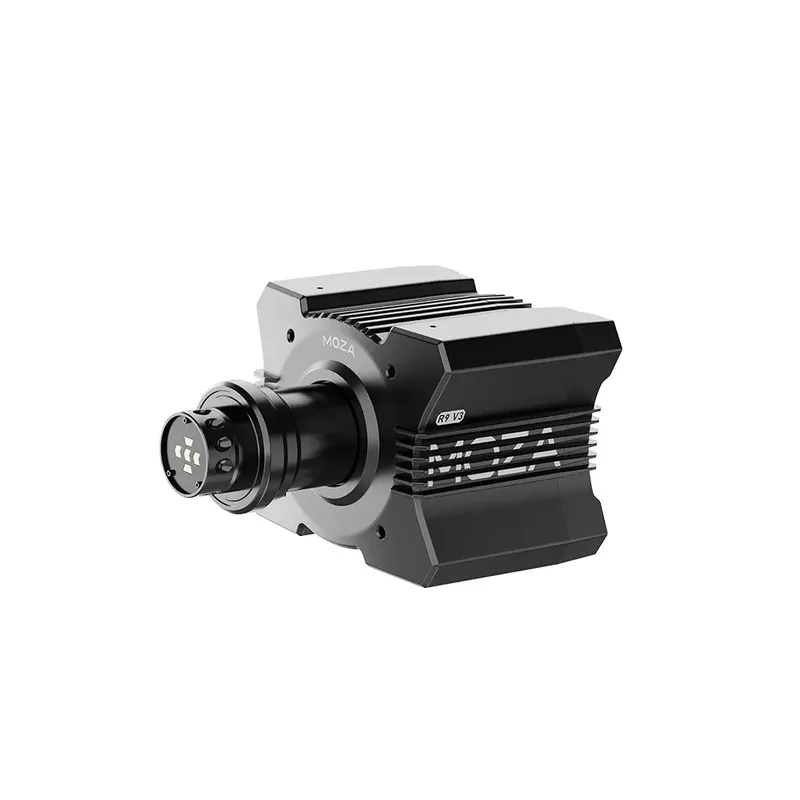
On PC the direct drive market is wide open. Console licensing does not limit you, so the real contest is between Moza, Simagic and Fanatec on torque, feedback quality and how much ecosystem you want around the base. Prices run from about $300 for a base to well past $1,500, and every base here needs a rim and pedals on top unless noted.
Quick comparison
| Base | Peak torque | Sold as | Quick release | Best for |
|---|---|---|---|---|
| Moza R9 V3 | 9 Nm | Base | Moza QR | Best overall |
| Moza R5 | 5.5 Nm | Bundle | Moza QR | Entry direct drive |
| Moza R12 | 12 Nm | Base | Moza QR | Sweet spot upgrade |
| Simagic Alpha Mini | 10 Nm | Base | Simagic QR | Feedback quality |
| Fanatec CSL DD | 5-8 Nm | Base | QR1/QR2 | Ecosystem depth |
| Simagic Alpha | 15 Nm | Base | Simagic QR | Enthusiast pick |
| Moza R16 Ultra | 16 Nm | Base | Moza QR | Maximum torque |
Best overall: Moza R9 V3
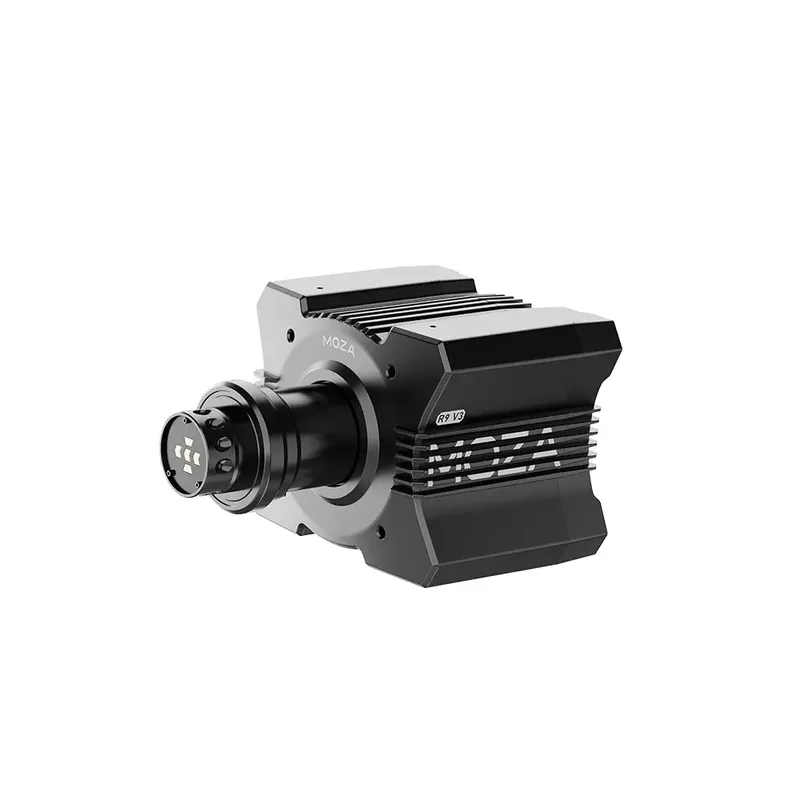
Nine newton metres is where diminishing returns kick in for most drivers, and the R9 V3 delivers it in the smallest serious package on the market. The V3 revision improved thermal behavior, the quick release is the fastest in the class, and Moza’s Pit House software ships with per-game profiles that actually work.
It is a base-only purchase, so budget for a rim and pedals on top. At full torque it also wants a rigid mount; a flexing desk wastes the motor.
Pros: 9 Nm sweet spot, compact, excellent quick release, mature software.
Cons: base only, PC only, needs proper mounting at full power.
Entry pick: Moza R5
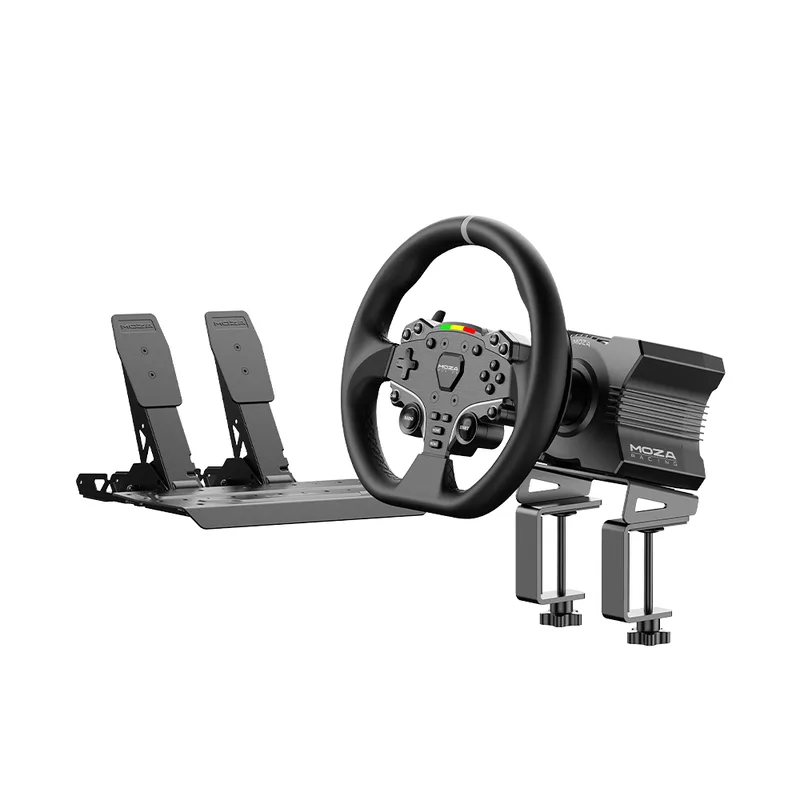
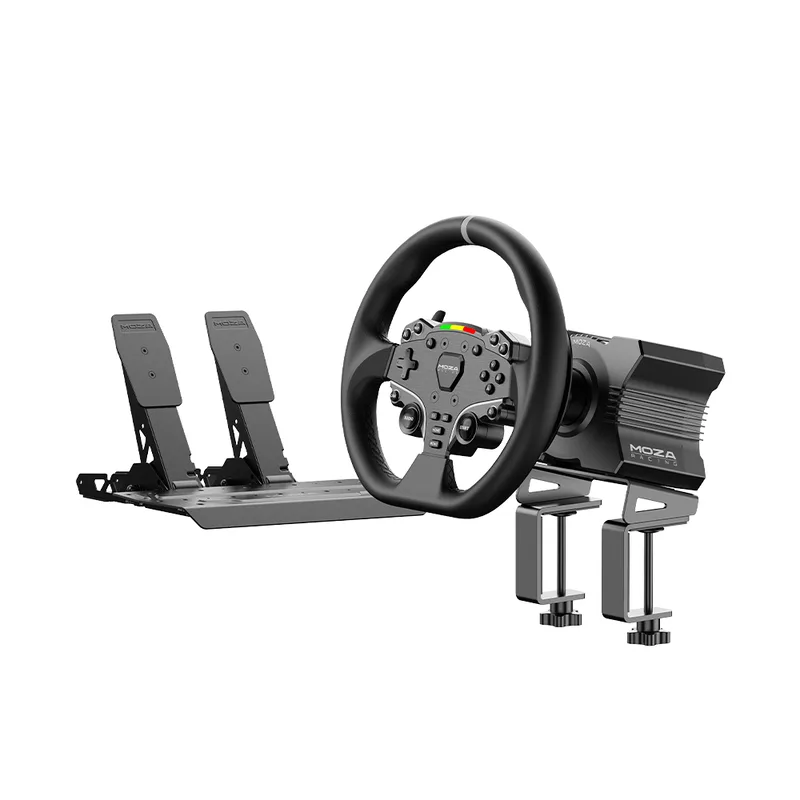
The R5 made direct drive a mass-market product. The bundle covers the base, the ES rim and the SR-P Lite pedals, so the sticker price is the real cost of entry rather than a down payment on accessories. Five and a half newton metres is enough for clean, detailed feedback, even if it will never pull hard against your hands.
The stock pedals are the compromise. Put a load cell brake upgrade on your year-one shopping list.
Pros: cheapest complete DD setup, small footprint, strong resale.
Cons: potentiometer brake, 5.5 Nm ceiling, PC only.
Step-up pick: Moza R12
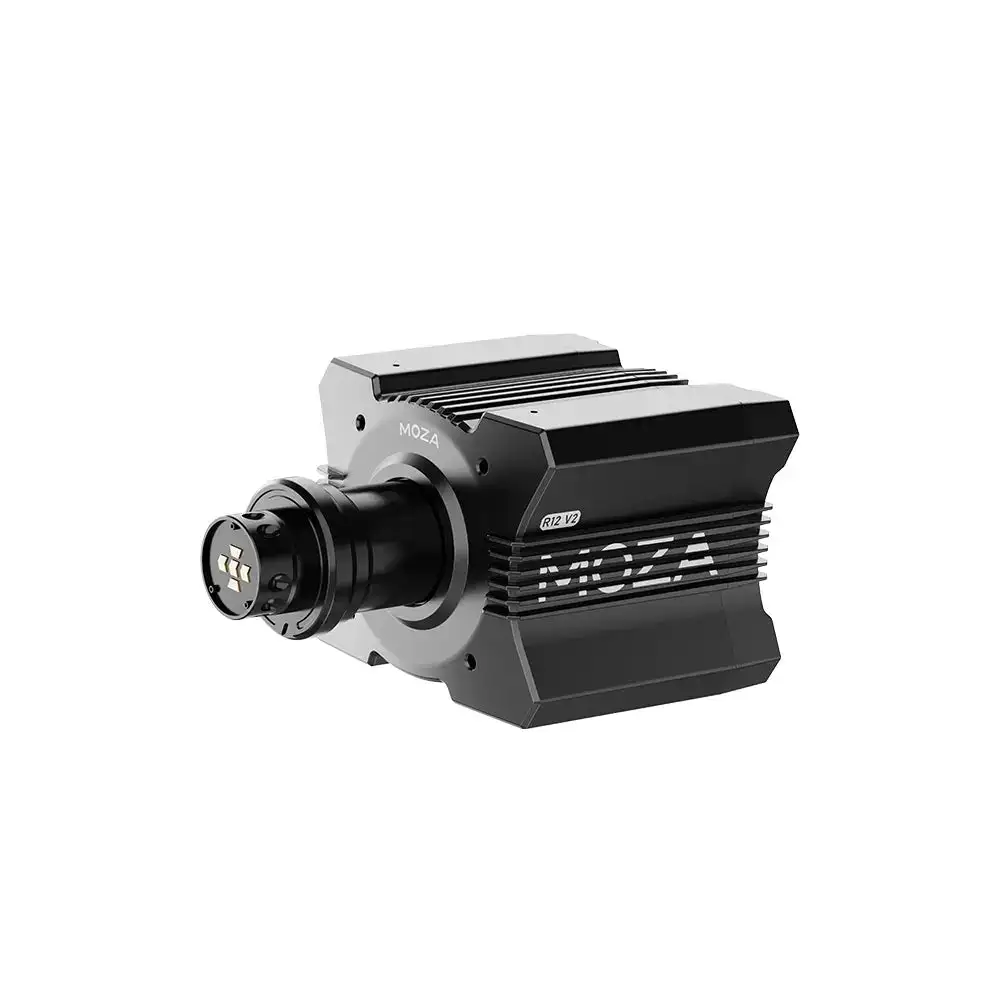
The R12 splits the difference between the R9 and the big bases. Twelve newton metres gives you headroom you will feel in heavy cars and long corners without stepping into the price and mounting demands of a 15 Nm-plus base. It uses the same quick release and Pit House software as the rest of the range, so upgrading from an R5 or R9 is painless.
You still need a rigid cockpit to use all of it, and the jump over the R9 is real money. Buy it if you know you will dial an R9 to its ceiling; skip it if 9 Nm already sounds like plenty.
Pros: real headroom over the R9, same ecosystem, compact for the torque.
Cons: base only, demands a solid rig, harder to justify against the R9.
Feedback quality pick: Simagic Alpha Mini
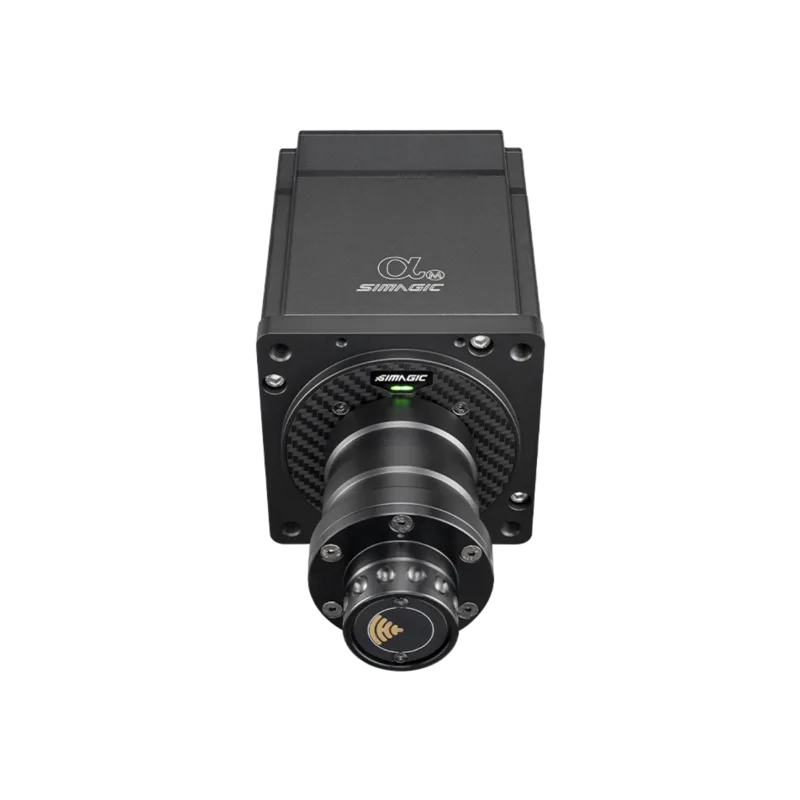
Simagic built its reputation on smoothness, and the Alpha Mini’s 10 Nm servo produces the cleanest detail in its price class. It is tiny, beautifully machined, and aimed at enthusiasts who notice the difference between good and great force feedback rather than just strong and weak.
The ecosystem is smaller than Moza’s and pricier than Fanatec’s, and buying through resellers is less polished than it should be.
Pros: exceptional detail, 10 Nm, premium build quality.
Cons: expensive accessories, reseller purchasing, smaller software ecosystem.
Deepest ecosystem: Fanatec CSL DD
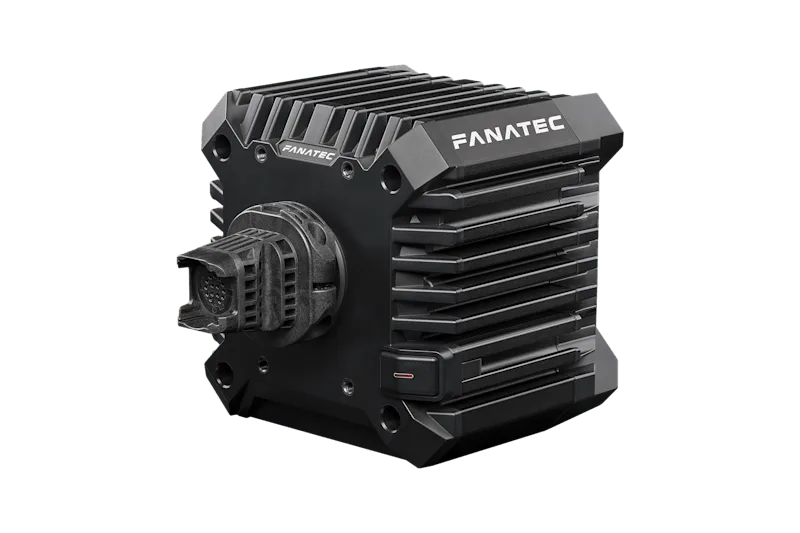
The CSL DD runs at 5 Nm stock and jumps to 8 Nm with the Boost Kit 180. The case for it over the Moza bases is the catalog: dozens of rims, load cell pedals, shifters and handbrakes, plus an Xbox upgrade path if you ever pair it with an Xbox-licensed rim. Nobody else offers that much hardware under one roof.
Buying it is the friction. Stock fluctuates, shipping is slow, and the base rarely gets discounted.
Pros: 8 Nm with Boost Kit, biggest rim catalog, optional QR2 upgrade.
Cons: availability swings, base only, accessory pricing adds up.
Enthusiast pick: Simagic Alpha

The full-size Alpha is the base Simagic made its name on: a 15 Nm servo with the same clean signal path as the Mini, just with real headroom. If you run a rigid aluminum cockpit and want the wheel to fight back properly in a high-downforce car, this is where that experience starts.
It is overkill on a wheel stand and pointless on a desk. Budget for the mounting, the rim and the pedals before you budget for the base.
Pros: 15 Nm with Simagic smoothness, proven design, serious build.
Cons: expensive, needs a rigid cockpit, diminishing returns over 10 Nm.
Maximum torque: Moza R16 Ultra
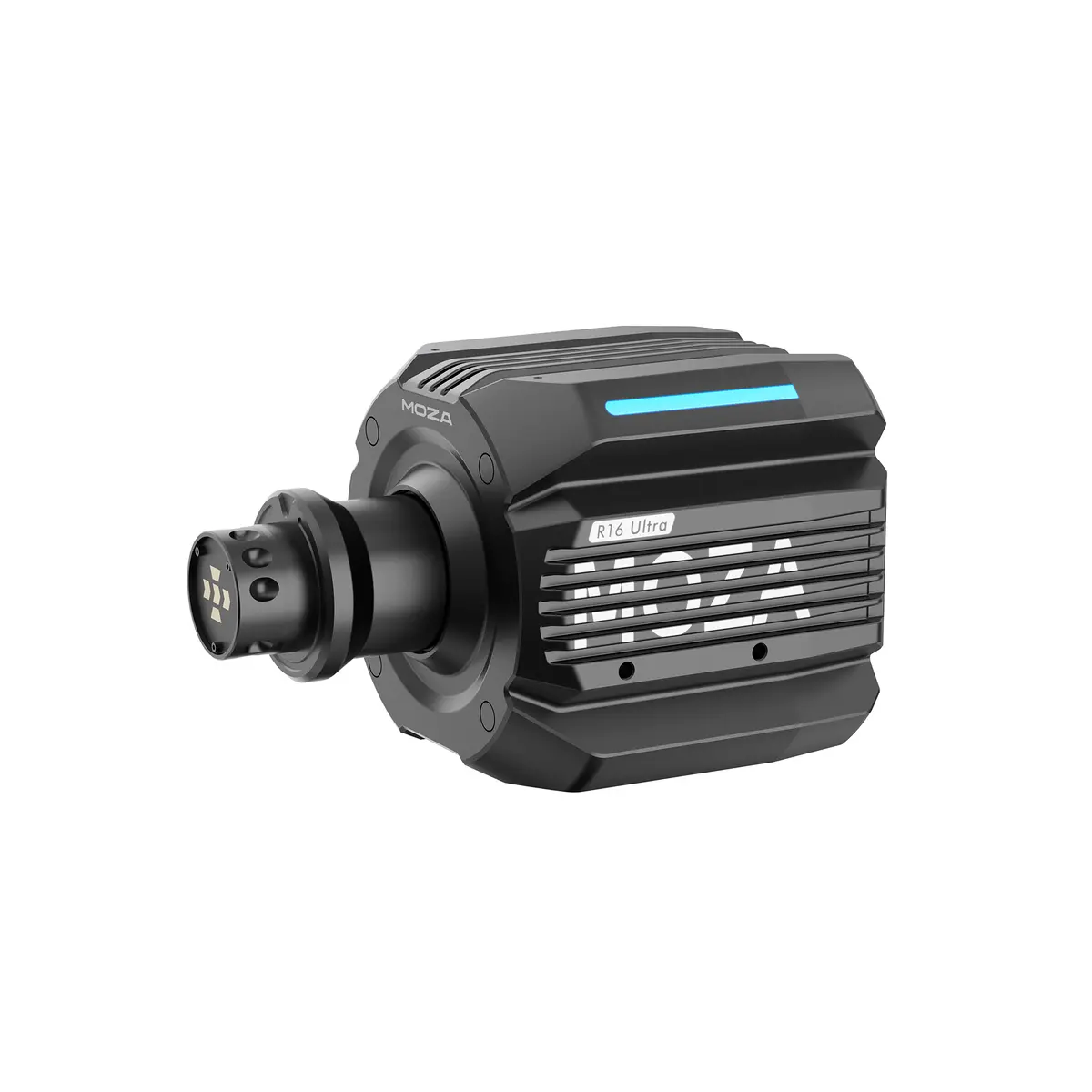
Sixteen newton metres is more force than most drivers will ever use at full strength, which is exactly the point: the motor never works hard, so feedback stays cool and clean in four-hour endurance sessions. The Ultra revision refines Moza’s flagship base for drivers who want zero headroom concerns inside the Moza ecosystem.
Honest advice at this price: most people should buy the R9 and spend the difference on pedals. The R16 exists for drivers who have already done that math.
Pros: huge headroom, refined flagship, full Moza ecosystem.
Cons: expensive, requires a serious rig, overkill for most.
What to look for in a direct drive wheel for PC
Torque tiers map to use, not skill. 5 Nm is enough to learn on and feel everything that matters. 8 to 12 Nm is the enthusiast sweet spot. Beyond 15 Nm you are paying for headroom you will dial down anyway.
The base is half the purchase. Budget for a rim and pedals unless you buy a bundle. A $500 base plus a $300 rim plus $400 pedals is a $1,200 reality.
Mounting scales with torque. Under 6 Nm a desk clamp survives. Past 9 Nm, a wheel stand or cockpit stops being optional.
Ecosystem lock-in is real. Rims, pedals and shifters mostly do not cross brands. Pick the base whose accessory catalog you actually want to buy into.
Frequently asked questions
How many Nm do I need on PC?
Most drivers settle between 5 and 12 Nm and many run even that at 60 to 70 percent strength. More torque mainly means the motor never strains at the top of its range.
Do PC direct drive bases work on console?
No. Moza and Simagic bases are PC only. Console support requires a licensed security chip, which is a different product line entirely.
Is a more expensive base always better?
Not past about 10 Nm. Beyond that you are paying for torque headroom and machining quality, not more information through your hands. Pedals change lap times more than base upgrades do.
Recommendation
The Moza R9 V3 is the right base for most PC racers. Tighter budgets take the Moza R5 Bundle, and drivers chasing the cleanest feedback in the class should look at the Simagic Alpha Mini.
Sources
Specifications: Moza Racing, Fanatec and Simagic. Verify live pricing and bundle contents before purchase.
Related guides
Best Direct Drive Wheels in 2026: 7 Bases Ranked by Value
The best direct drive wheel bases compared: Moza R5 and R9, Fanatec CSL DD and ClubSport DD+, Logitech G Pro, Simagic Alpha Mini. Torque, ecosystems and pricing.
Best Budget Direct Drive Wheels in 2026: 7 Bases and Bundles Compared
Affordable direct drive compared: Moza R3 and R5, Fanatec CSL DD and GT DD Pro, PXN V12 Lite, Simagic Alpha Mini and Thrustmaster T818.
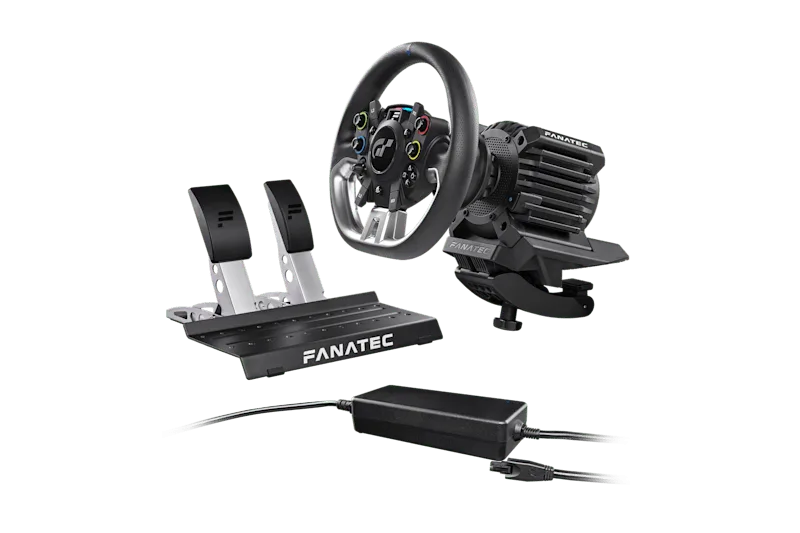
Best Direct Drive Wheels for PS5 in 2026: 7 Options Ranked
Every direct drive wheel for PS5 compared: Fanatec GT DD Pro, ClubSport DD+, GT DD Extreme, Logitech G Pro and Thrustmaster T598, plus budget alternatives.
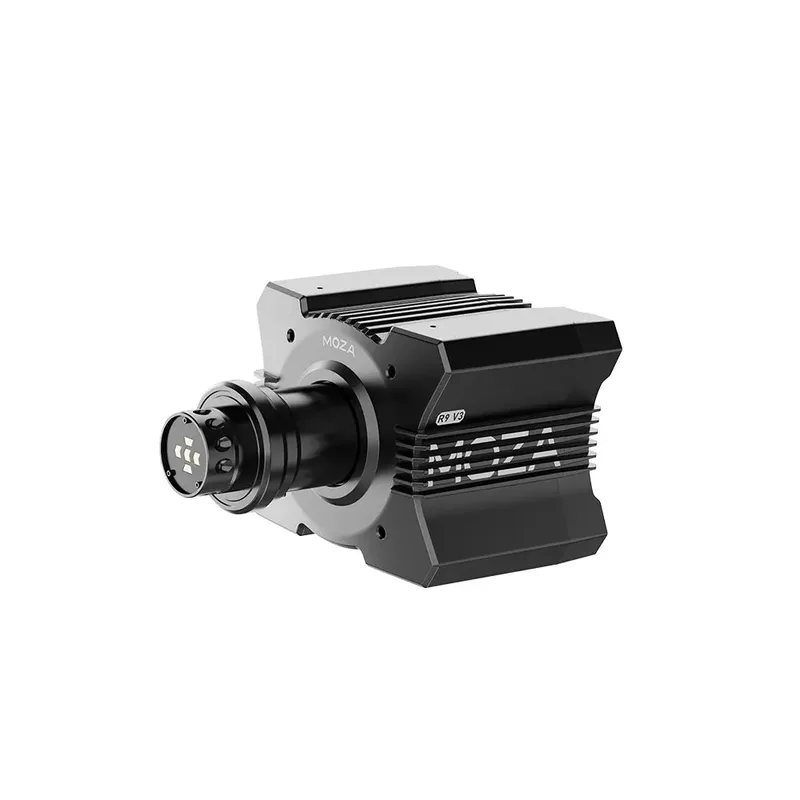
Best Direct Drive Wheel Bases in 2026: 7 Bases From 5 to 15 Nm
The best direct drive wheel bases compared: Moza R5, R9 and R12, Fanatec CSL DD and ClubSport DD, Simagic Alpha Mini. Torque, platforms and what each costs to complete.
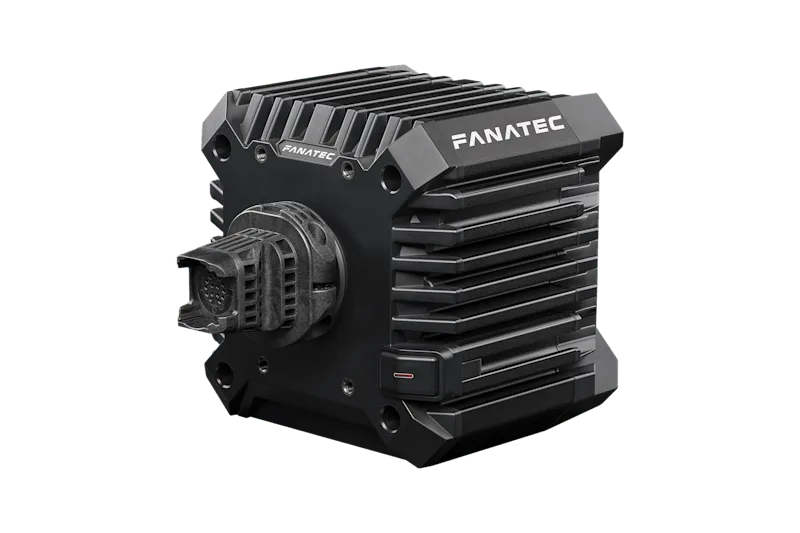
Best Direct Drive Wheels for Xbox in 2026: Every Licensed Option Ranked
The best direct drive wheels for Xbox Series X|S: Moza R3, Fanatec CSL DD, ClubSport DD and DD+, Logitech G Pro, plus the Xbox-licensed rims Fanatec requires.
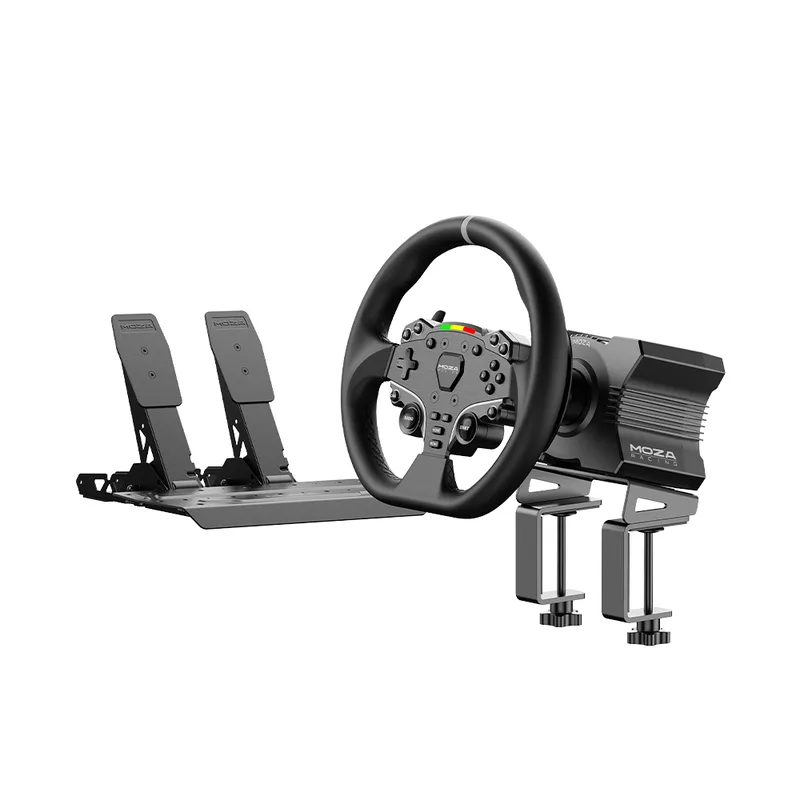
Best Direct Drive Wheel Bundles in 2026: 7 Complete DD Packages
The best direct drive wheel bundles compared: Moza R5, R9 and R12 bundles, Fanatec CSL DD and GT DD Pro ready2race sets, Simagic and Logitech.