Product review
GT Omega Prime Lite Review: The Cheapest Fixed Rig Worth Buying
The GT Omega Prime Lite is the cheapest complete fixed cockpit worth owning: a rigid steel frame, an included seat, and pre-drilled mounts for every mainstream wheel, for roughly the price of a mid-range pedal set. It suits belt and entry direct drive bases; heavy DD owners should buy the full Prime or an 8020 rig.
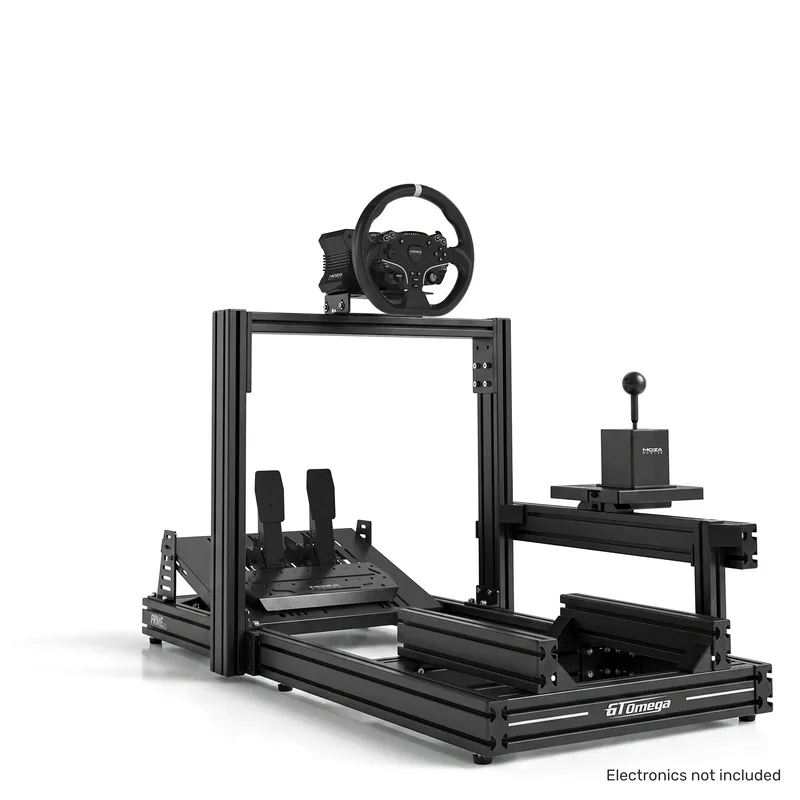
The Prime Lite is GT Omega’s trimmed-down take on its popular Prime cockpit: same idea, lighter tubing, fewer adjustment options, much lower price. It exists to answer one question: what is the least you can spend on a fixed cockpit with a real seat and not regret it?
Verdict
For wheelbases up to roughly entry-level direct drive (Moza R5, Fanatec CSL DD at moderate settings, everything belt or gear driven), the Prime Lite is an easy recommendation. The frame is stiffer than any folding rig, the seat is comfortable enough for long sessions, and the whole package undercuts buying a wheel stand and a chair separately. Owners of 12+ Nm bases or very stiff load cell brakes should look at the Sim-Lab GT1 Evo or the full Prime instead.
What you get
- Steel tube frame with powder-coated finish
- GT-style seat with sliders
- Adjustable wheel deck, pre-drilled for Logitech, Thrustmaster, Fanatec and Moza
- Tilting pedal deck, also pre-drilled
- Shifter arm mounting on either side
Assembly is a straightforward bolt-together job. The wheel deck takes the standard mounting patterns without drilling, which alone separates it from the budget rigs that expect Velcro straps.
Where it compromises
Adjustment is basic. The wheel deck adjusts for height and angle and the pedal deck tilts, but compared to the full Prime or a profile rig there is simply less to dial in. Most drivers fit fine; very tall and very short drivers should check the dimensions first.
The seat is fine, not great. It is comfortable and properly shaped, but it sits low and the padding is thinner than what Next Level Racing ships with the GTTrack. At this price, acceptable.
Heavy hardware finds its limits. With a modest wheelbase it feels planted. Add a high-torque DD base and an aggressive braking style and the lighter tubing shows a little movement. It copes; it does not disappear the way 8020 does.
Who it is for
The Prime Lite is for the sim racer stepping up from a desk or a wheel stand who wants a permanent rig without profile-rig money. If your wheel is a G29, T248, T300, Moza R3/R5 or CSL DD, this is the sensible first cockpit. If you already own an R9 or stronger, skip a step and buy profile.
Alternatives
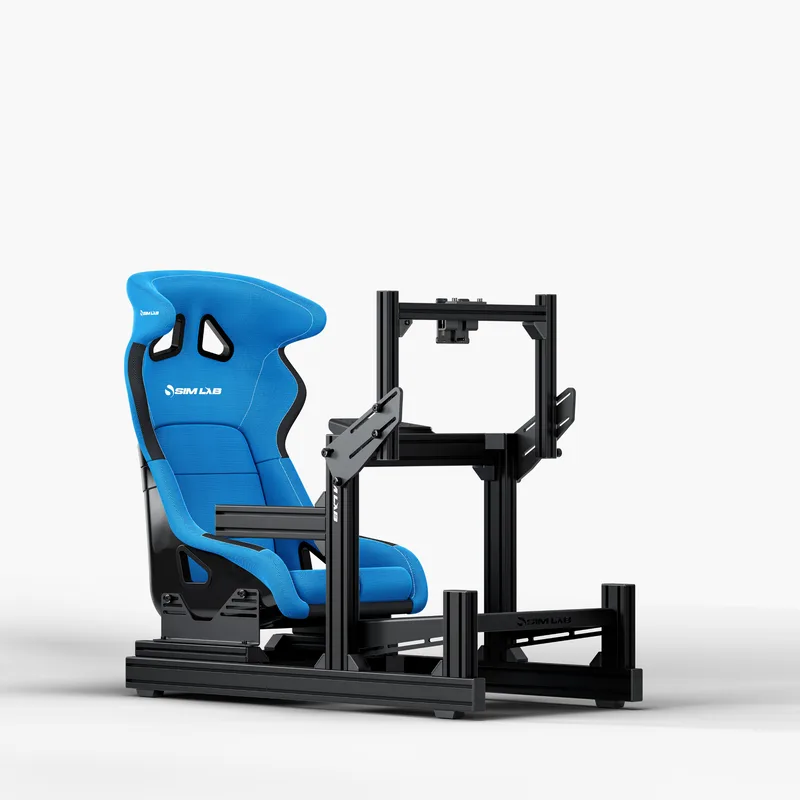
The Sim-Lab GT1 Evo costs more once you add a seat, but it is infinitely adjustable and will never flex. Buy it if you plan to grow into stronger hardware.
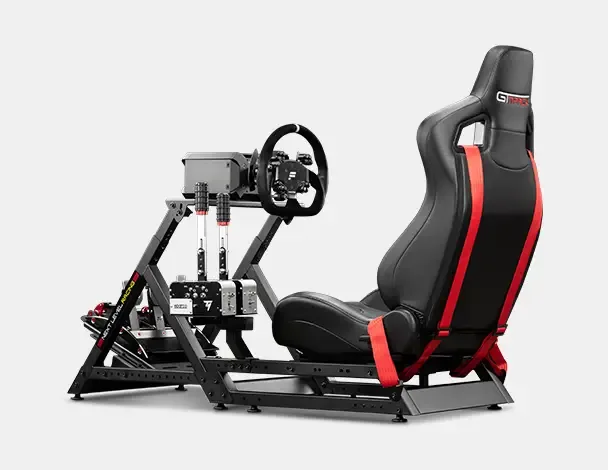
The Next Level Racing GTTrack is the comfort upgrade: a padded reclining seat on a rigid steel chassis, rated for DD and load cells, at about double the Prime Lite’s price.
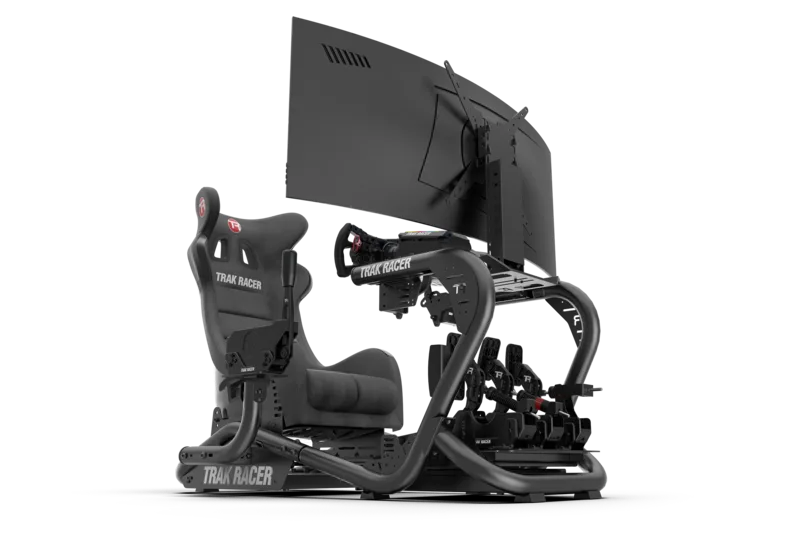
The Trak Racer TR8 Pro is the complete profile package: frame, seat and integrated monitor mount in one box for roughly triple the Prime Lite.
Frequently asked questions
Can the Prime Lite handle a Moza R5 or CSL DD?
Yes, comfortably at sensible torque settings. These entry DD bases are exactly what the frame was designed around. For R9-and-above territory, buy a heavier rig.
Does the Prime Lite fold?
No, it is a fixed cockpit. If you need folding, GT Omega’s Sprint or the Next Level Racing F-GT Lite are the options; see our racing simulator cockpit guide.
Is the seat included?
Yes, the GT-style seat is in the box along with all mounting hardware. Only the wheel, pedals and screen are on you.
Recommendation
Buy the GT Omega Prime Lite if you want the cheapest fixed rig that does not embarrass itself. Pair it with belt or entry direct drive hardware and it will serve for years. If you are already dreaming of an R12 or stiff hydraulic pedals, spend more now on a Sim-Lab GT1 Evo.
Sources
Specifications: GT Omega, Sim-Lab, Next Level Racing and Trak Racer. Verify current pricing and seat options before buying.
Related guides
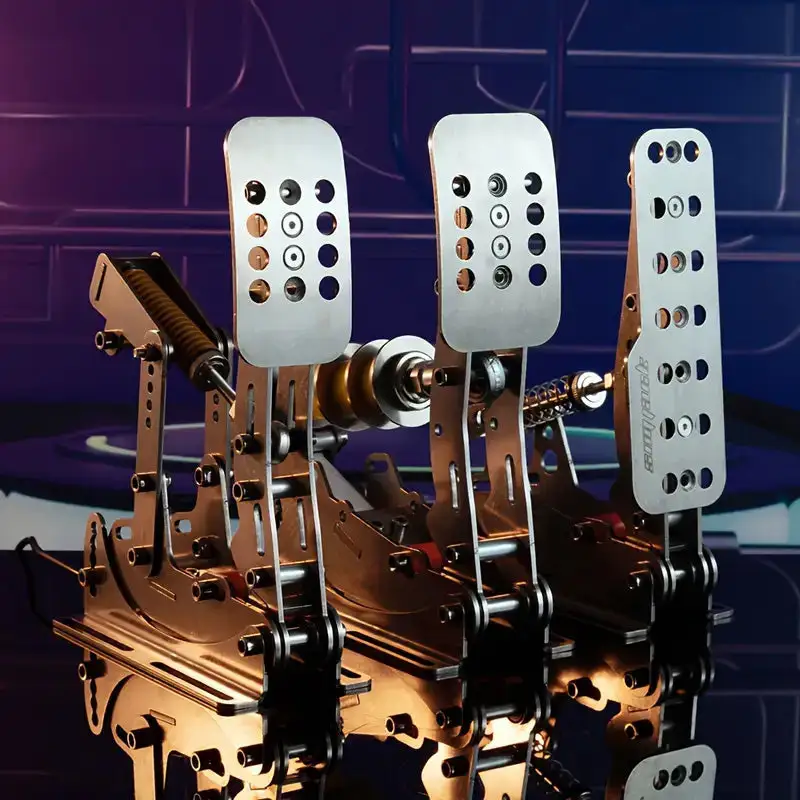
Simjack UT Pedals Review: A 200 kg Load Cell Brake for Around $150
Simjack UT pedals review: stainless steel, 200 kg load cell brake, optional hydraulic dampers, from about $140. Real budget competition for the T-LCM.
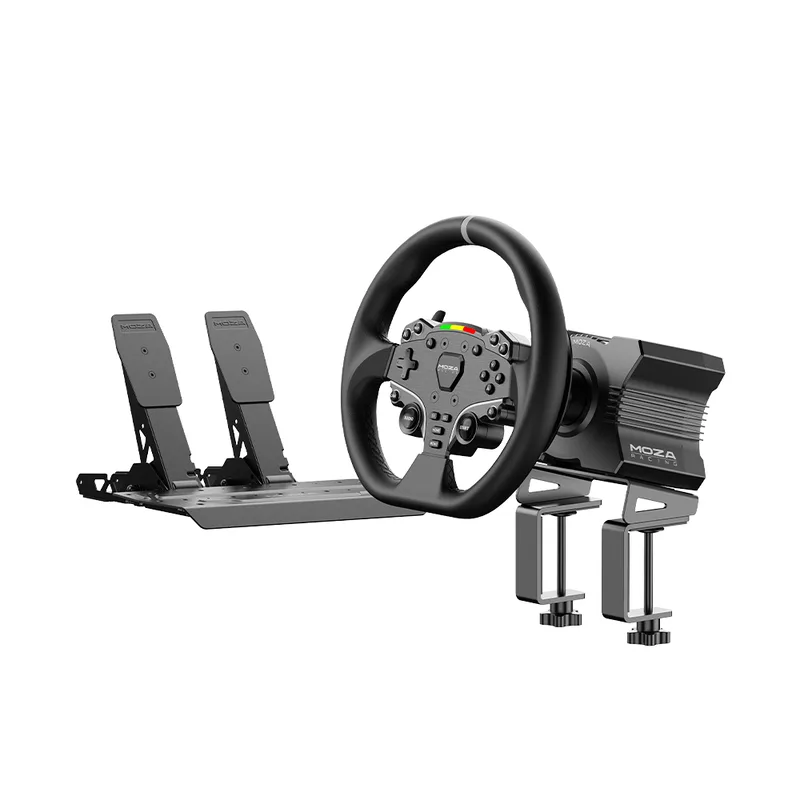
Moza R5 vs R3: Which Budget Direct Drive Bundle Should You Buy?
Moza R5 vs R3 compared: torque, platform support, pedals, price and upgrade paths. The R5 wins on strength for PC; the R3 is the only one that works on Xbox.
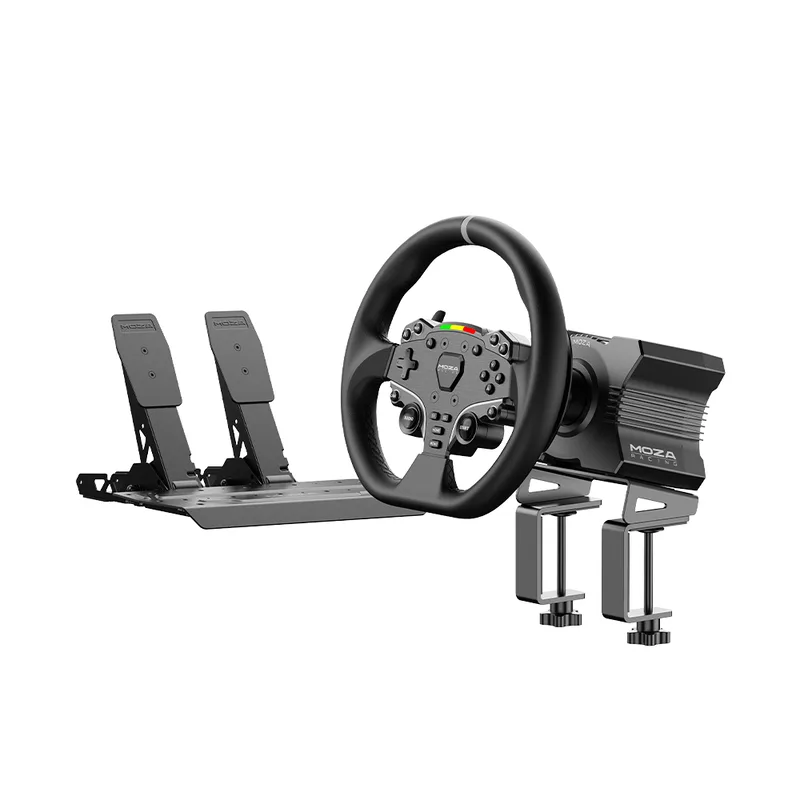
Moza R5 Racing Wheel Review: The Easiest Way Into Direct Drive in 2026
Moza R5 bundle review: 5.5 Nm direct drive base, ES wheel and SR-P Lite pedals for about $500. Who should buy it and what to buy instead.
VRS DirectForce Pro Pedals Review: Built for People Who Measure Brake Pressure
VRS DirectForce Pro Pedals review: 140 kg load cell brake, stainless steel construction, $649 for the two-pedal set. Who they suit and what to buy instead.
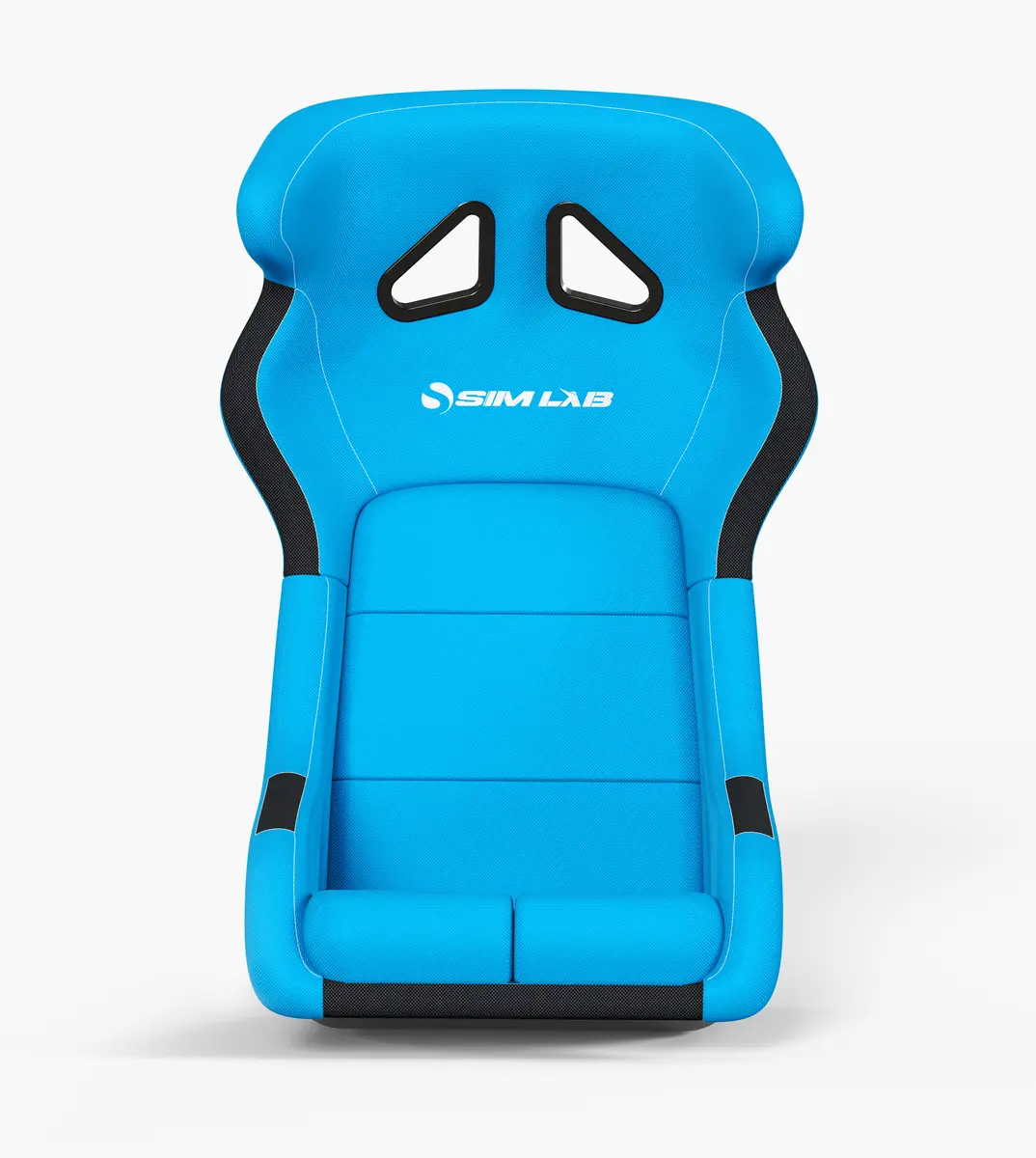
Best Sim Racing Seats in 2026: 7 Seats From Recliners to FIA Buckets
The best sim racing seats compared: Sim-Lab S1 Enduro, NLR ERS3, GT Omega Pro RS, Sparco Grid Q and GP, OMP WRC-R XL and Corbeau FX1 Pro.
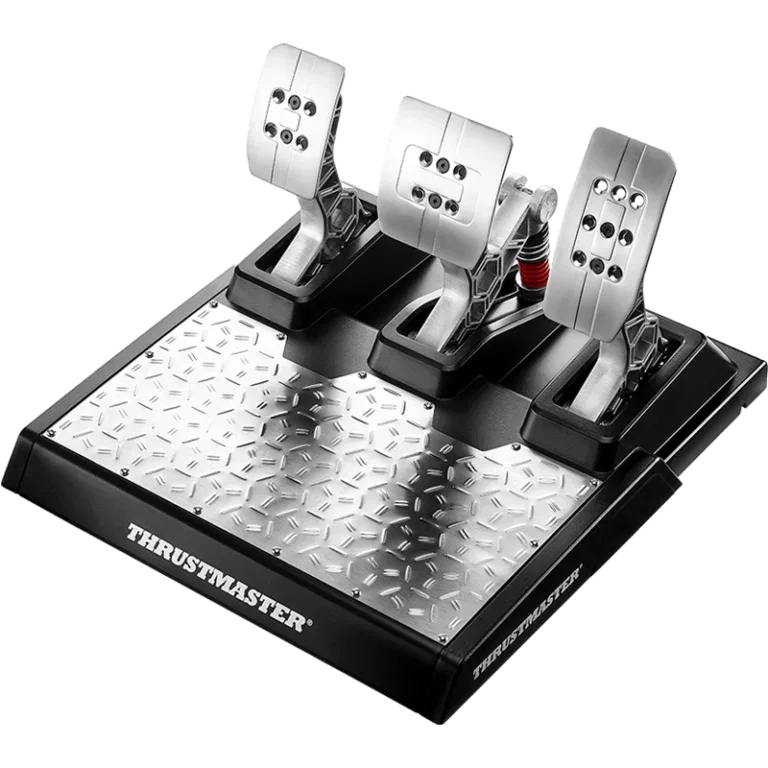
Best Load Cell Pedals for Sim Racing in 2026: 7 Sets Ranked
The best load cell pedals compared: Thrustmaster T-LCM, Fanatec CSL and ClubSport, Moza CRP2, Heusinkveld Sprint, Simagic P1000 and Logitech Pro.